
Introduction:
Welcome to the future of home heating! Smart heating controls – like smart thermostats and app-based heating systems – have been rapidly gaining popularity across the UK, and for good reason. If you’re in Hamilton, Glasgow, or anywhere in Central Scotland, you’ve likely heard of devices such as Nest, Hive, or tado° that promise to cut your heating bills and keep your home perfectly cozy with minimal effort. But are they really worth it? In this blog post, we’ll demystify smart heating controls, explain how they work, and look at how much they can actually save you on energy costs. We’ll also share some tips on choosing and using a smart thermostat effectively, and how Cozy Heating can help install and set up your new gadget. Spoiler: Yes, smart controls can make a noticeable difference – not only for your wallet, but also in terms of comfort and convenience in your day-to-day life.
What Are Smart Heating Controls?
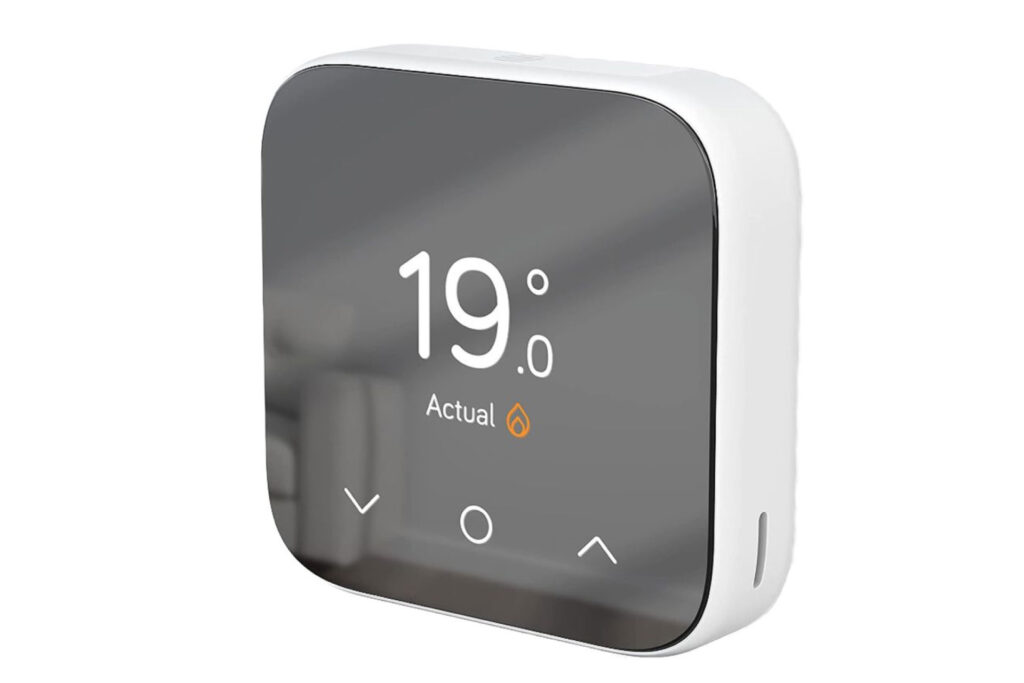
“Smart heating controls” is an umbrella term that usually refers to smart thermostats and any associated smart radiator valves or sensors that help control your heating in an intelligent way. Unlike a traditional thermostat that you set manually, a smart thermostat connects to your boiler and your Wi-Fi, allowing you to control your heating system via a smartphone app or even voice commands.
Key features that set smart thermostats apart include:
-
Remote Access: You can adjust your heating from anywhere. Forgot to turn the heating off before leaving home? Just open the app at work and turn it off. Coming home earlier than expected on a cold day? Turn the heat on from your phone so you arrive to a warm house. This remote control ensures you’re only using energy when you actually need itenergychampions.co.uk. No more heating an empty home – a major source of wasted energy with traditional timers.
-
Learning Your Schedule: Many smart thermostats learn your routine and preferences over timeenergychampions.co.uk. For instance, Google’s Nest thermostat can observe when you typically come and go and what temperatures you like, and then automatically create a heating schedule to match. It can even adjust if it notices you’ve changed settings frequently – essentially programming itself to optimize comfort and efficiency.
-
Geolocation (Smart Tracking): Some devices use your phone’s GPS to detect when you’ve left home or are on your way backtheguardian.comenergychampions.co.uk. If everyone in your household has the app on their phone, the system knows when the house is unoccupied and can turn the heating down automatically – then kick back in as someone heads home. This feature, often called “away mode” or geofencing, prevents the classic scenario of heating an empty house for hours because you were stuck at work or went out unexpectedly.
-
Weather & Adaptation: Smart controls can factor in local weather forecasts. If it’s going to be a warm sunny afternoon, the system might decide to not fire the heating as much because the sun will help warm the houseenergychampions.co.uk. Conversely, if a cold snap is coming, some thermostats will pre-heat a bit to get ahead of the chill. They can also learn how quickly your home heats up or cools down, and time the boiler firing more precisely. For example, if you want it 21°C by 7am, the thermostat learns whether your house needs 30 minutes or 1 hour to achieve that, and will turn the boiler on accordingly. This level of finesse means less guesswork and less wasted fuel overshooting the temperature.
-
Zonal Control: By adding smart thermostatic radiator valves (TRVs) to individual radiators, you can create heating “zones” in your house. For example, you could schedule the bedrooms to heat up in the evening, but not the downstairs living room, or vice versa in the morningtheguardian.comenergychampions.co.uk. Traditional heating often works on a whole-house basis (all or nothing). Zoning lets you heat only the rooms you’re using. This is especially useful for larger homes or ones with spare rooms – no need to pay to heat rooms nobody is in. Note: Zonal setup requires additional hardware (smart TRV heads on radiators) and a compatible system like Honeywell evohome or tado°, but it can yield even greater savings by tailoring temperatures per room.
-
Energy Monitoring: Most smart thermostats provide energy usage reports and insightsenergychampions.co.uk. The app might show you how many hours your heating was on this week vs last, or give an estimate of how much that cost. Seeing this information can be a real eye-opener – and motivator. Users often become more conscious of turning the heat off when not needed, once they see the impact in real numbers. Some systems will even nudge you with tips, like “Looks like you’re away, would you like to turn the heating off?” or “Your home warmed up in 20 minutes today, you could schedule it to start later and save money.”
In short, smart controls bring a level of automation and intelligence that was never possible with old manual thermostats. They’re all about delivering comfort when you need it and savings when you don’t.
How Much Money Can a Smart Thermostat Save?
Let’s talk pounds and pence – the part everyone wants to know. Various studies and user data have shown substantial savings from using smart heating controls. On average, UK homeowners can save between £70 to £120 per year, which equates to roughly 10–12% off heating costs by using a smart thermostat effectivelyenergychampions.co.uk. Google’s Nest, for instance, published that its users saved 8.4% to 16.5% of heating energy on averagetheguardian.com, while Tado claimed up to 31% in ideal scenariostheguardian.com. A realistic expectation for most people is in that 10-15% range of savings.
What do these savings mean in practical terms? If you currently spend, say, £1000 a year on gas for heating, a 10% reduction is £100 saved annually. Over a few years, that easily pays back the cost of the device. Most smart thermostats cost around £150-£250 upfront. As The Energy Champions report calculated, the device can pay for itself in 2 to 4 years through energy savingsenergychampions.co.uk – and since a thermostat will last many years, the net savings after payback are money in your pocket.
However, realize that the actual savings “depend on what it replaces, how you use it and how much energy you currently use.”theguardian.com If you previously had no thermostat at all (some older systems just had basic timers), the improvement will be significant. If you were already very disciplined with a programmable thermostat, the incremental savings might be smaller – but you’ll likely still save a bit more and gain convenience.
The biggest contributors to savings are:
-
Not heating an empty home: Geolocation and smarter scheduling ensures minimal wastage here.
-
Avoiding overheating: Traditional systems might overshoot the temperature or people set the thermostat too high “just in case.” Smart ones optimize to prevent overheating rooms unnecessarily (and you can adjust via phone if you feel too warm rather than opening windows).
-
Zoning: Why heat bedrooms to 21°C when you’re only using the living room? Zone control can dramatically cut usage in larger homes by only heating what’s needed.
-
User awareness: Just being more aware of energy usage tends to result in behavior changes (like turning down a degree or off when out). In fact, simply turning your thermostat down by 1°C can save about 10% on heating bills according to energy expertsucl.ac.uk. Smart thermostats often encourage you to find that balance between comfort and economy.
It’s worth noting that a smart thermostat doesn’t change how efficient your boiler is – rather, it optimizes how often and when the boiler runs. If your home is poorly insulated, you’ll still lose heat quickly (that’s another area to address for savings). But the smart control will ensure the boiler isn’t running more than necessary.
Beyond Savings: Other Benefits of Smart Controls
While saving money is a huge draw, many people fall in love with smart thermostats for the comfort and convenience factors:
-
Always Comfortable: No more coming home to a cold house because the heating was off all day (or conversely, no more heating an empty home). Smart controls can make sure your home is just right when you walk in. Also, they can prevent the swings in temperature that older thermostats allow, by learning and modulating heat output. This means a more stable, comfortable environment.
-
Easy Scheduling: Using an app interface is far easier than pressing tiny buttons on an old wall unit. You can set up a detailed schedule for each day of the week in minutes. Want the heating a bit lower overnight or during school hours? A few taps and it’s done. Many apps also allow copy-pasting schedules to different days and have intuitive displays.
-
Voice Control & Smart Home Integration: If you have an Amazon Alexa or Google Home, you can often integrate your thermostat and simply ask for the temperature to be turned up or down. Feeling chilly? Say “Alexa, set living room to 22 degrees” without leaving the sofa. It’s a small luxury that once you have, you won’t want to give up! Plus, smart thermostats integrate with other home systems – for example, they can trigger smart plugs or lights or work with security systems to know when you’re home or away.
-
Maintenance Alerts: Some smart thermostats can alert you if something is off – for instance, if it’s taking much longer than usual to heat up your home, it could warn that your boiler might need a service or there’s an issue. They can also remind you of maintenance, like annual service dates.
-
Data and Insights: If you’re the analytical type, you’ll enjoy diving into the heating data. You can see patterns, such as if certain days of the week have higher usage, or how outdoor temperature affected your energy use. It might highlight, for example, that you consistently forget to turn the heating off on Friday nights when you go out – insight you can act on.
-
Environmental Impact: Using less energy is not only good for your wallet, it’s good for the planet. Over a year, a 10% reduction in heating gas use means a notable cut in your household’s carbon emissions. Multiply that by thousands of homes adopting smart controls, and it makes a significant contribution towards energy conservation. Knowing this adds an extra feel-good factor to using a smart thermostat.
Tips for Choosing and Using a Smart Thermostat
If you’re ready to jump on the smart heating bandwagon, here are a few tips:
-
Check Compatibility: Most smart thermostats work with standard gas boilers, including combi, system, and conventional boilers. However, some require a common wire or certain configurations. When in doubt, consult with an installer. (Cozy Heating can advise you on which models will integrate best with your existing boiler and controls). Also, if you have features like underfloor heating or a heat pump or multiple zones already, ensure the smart system supports that. Popular options like Nest, Hive, tado°, Drayton Wiser, Honeywell, etc., each have their strengths – we can help navigate which fits your needs.
-
Installation: Some smart thermostats are DIY-friendly (e.g., if simply replacing an existing thermostat in the same location). But if you’re not comfortable with wiring, it’s best to have a professional install it. We can set up the thermostat, connect it to your boiler and Wi-Fi, and show you how to use the app. Installation is typically quick – under an hour in straightforward cases.
-
Learn the Features: Take some time to explore the app and features. For instance, enable geolocation if you want that benefit (you’ll need to allow the app to use your phone location). Set your home and away temperature preferences. If the device can learn your schedule, give it a couple of weeks to adapt, but do correct it if it heats when you don’t want – that’s how it learns. Most systems also allow manual scheduling if you prefer to set exact times yourself instead of “learning” mode.
-
Use the Data: Keep an eye on those monthly reports or usage charts. They can tell you if perhaps you could lower the overall temp by a degree or if certain hours have unnecessary heating. For example, you might realize the house stays warm enough till 10pm even if heating goes off at 9pm – so you adjust and save a bit more. It’s like having a mini energy audit of your home at your fingertips.
-
Don’t Abuse the Boost: Many smart thermostats have an easy “boost” button or you can just crank it up remotely. Enjoy the flexibility, but try not to fall into the habit of constantly overriding by large amounts (like coming home and setting 25°C because you want heat faster – it won’t heat faster, it will just overshoot and waste energy). Instead, use scheduling or the “returning home” feature properly so the house is already comfortable.
-
Multiple Users: If you have family members or housemates, get them on board. Most systems allow multiple users to have the app. This is important for geolocation (so it knows if everyone is out) and also convenient so anyone can adjust if needed. You can usually set permissions if you don’t want kids messing with settings, for instance.
Cozy Heating Can Help You Go Smart
Making the switch to smart controls is easier than you might think. At Cozy Heating, we’ve helped many homeowners in our area modernize their heating systems with smart tech. Here’s how we can assist:
-
Expert Recommendations: Not sure which smart thermostat to choose? Based on your boiler model and your preferences (Apple HomeKit environment? Prefer simplicity? Want multi-room zoning?), we can recommend an ideal setup. We keep up with the latest products and we’re familiar with all the popular brands. Whether it’s the sleek Nest Learning Thermostat, the widely-used Hive Active Heating, the versatile tado°, or the robust Honeywell Evohome, we’ll find the right match.
-
Professional Installation: Our engineers can install your new smart thermostat and any additional controls (like smart TRVs) quickly and correctly. We handle all the wiring into your boiler or junction box – no fuss, no mistakes. Being Gas Safe heating engineers, we ensure that the integration with your boiler’s control scheme is done safely. We’ll also help set up the app on your phone and make sure everything is communicating properly before we leave.
-
Integration with Your Boiler Service: If you’re getting a new boiler from us, we can easily incorporate smart controls into the installation package. In fact, Boiler Plus regulations require a smart control or equivalent for new combi boilers, so we often include them. If your boiler is older but working fine, adding a smart thermostat is a great upgrade to get more out of it – we can fit one during a service visit.
-
After-Sales Support: Have a question a week later about how to set a schedule? Noticing something odd and not sure if it’s the thermostat or boiler? Just call us. We’re here to support you as you adapt to the new system. Smart tech should make your life easier, and we’ll ensure it does. Our team is patient and happy to explain features or troubleshoot issues. But truth be told, these systems are designed to be user-friendly – after a short while, most folks wonder how they lived without it.
Conclusion & Call to Action:
Smart heating controls are transforming how we heat our homes – making it more convenient, efficient, and tailored to our lifestyles. With potential savings around 10% or more on your heating bills and the ability to control your heating from anywhere, a smart thermostat is an upgrade that pays dividends in comfort and cost. If you’re interested in bringing smart technology into your Hamilton or Central Scotland home’s heating system, get in touch with Cozy Heating. We can answer any questions you have, recommend the ideal setup, and provide a seamless installation. As always, we offer a free quote – whether it’s for a full boiler + smart control upgrade or just adding a thermostat to your existing system. Embrace the future of heating and start saving money while staying cozy! Contact us today or get a quick quote online to begin your smart heating journey